Captain pick desk: form, fixture, venue, peak-profile math
Captain pick is the single biggest decision you make before lock-in. This desk covers form, fixture, venue, peak-profile alignment, and the differential math that decides small vs grand contests.
The captain-pick desk is for users who have built a few XIs and want to sharpen their reads. It assumes you understand the basic loop and want to push your win rate up. We do not cover absolute basics -- see /fantasy-cricket/ for the loop and /how-to-play/ for the steps.
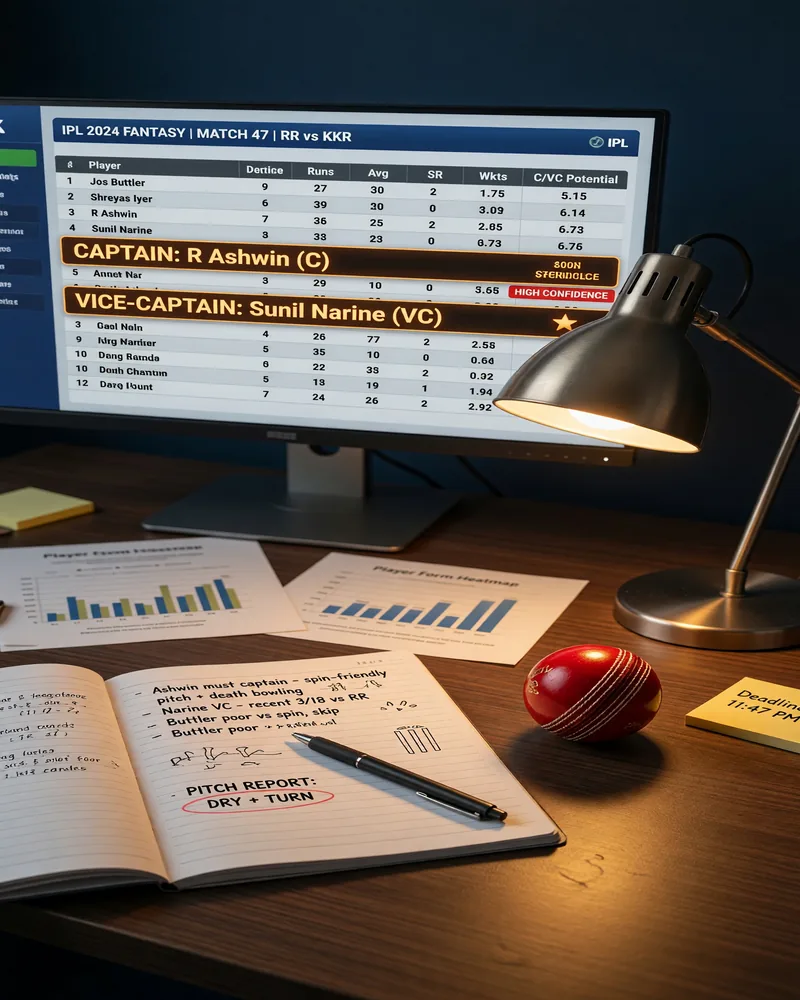
Why captain pick is the biggest decision of the week
Captain's points are multiplied by 2.0; vice-captain's by 1.5. In a 600-point XI typical of T20 cricket, those two selections account for roughly 200 of those points — about a third of your score before the rest of the team is considered. The other ten players are mostly interchangeable across good XIs; the captain is the lever.
Three lenses sit behind a confident captain pick:
- Form. Last-five-match average in the relevant role, not career average. A player who has scored 40+ in three of the last five innings is in form for captaincy.
- Fixture. Opposition's weakness at the player's role. A leg-spinner captain pick on a turning pitch against five left-handers in the opposition XI is a fixture-aligned pick.
- Venue. Where the match is played. Wankhede behaves differently from Chepauk. The venue tilts captaincy toward a particular profile.
Add peak profile — the match situation where a player historically scores most — and the four-lens check is what the captain-pick desk uses for every recommendation.

What "in form" actually means
Form is not "the player is famous." Form is "the player has produced above their baseline across the last few matches." A baseline is what the player scores at when average; form is the deviation above that baseline.
The desk scores form three ways:
| Lens | What to look at | Threshold for captain |
|---|---|---|
| Last 3 matches | Points per match | ≥ 1.3 × career average |
| Last 5 matches | Fantasy points floor | ≥ 60 in 4 of 5 |
| Role-specific | Batting/bowling points by phase | Peak phase firing |
Common mistake: averaging across roles. An all-rounder's last-five average should be split between batting and bowling form. A bowler who bats well but isn't bowling in the death isn't in form for captain — they are in form for vice-captain.
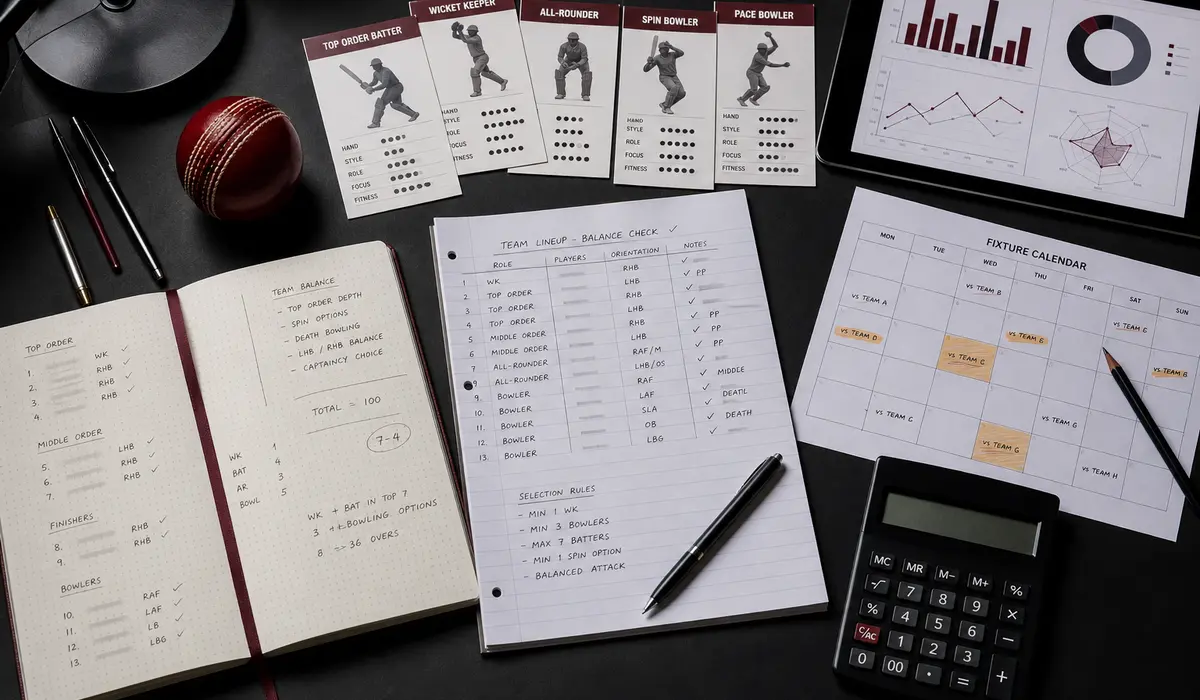
Reading the opposition weakness
Fixture is the second lens and is often the most underestimated. Two teams can be technically similar — same top-order aggression, same death-overs setup — and still have completely different fantasy concedes. The desk measures this by points allowed per role per match.
| Opposition weakness | What to captain | What to skip |
|---|---|---|
| Spin in middle overs | Quality spinner with wickets there | Spinner whose wickets are in powerplay |
| Pace in death | Death-overs specialist | New-ball bowler |
| Powerplay runs | Aggressive opener | Anchor opener |
| Chase acceleration | Finisher, 4-over 30+ | Top-order anchor |
Common mistake: treating every opposition as the same. Captain picks against an opposition that concedes points at a specific role align well; captain picks against an opposition that defends that role misfire, even if the player is in form.
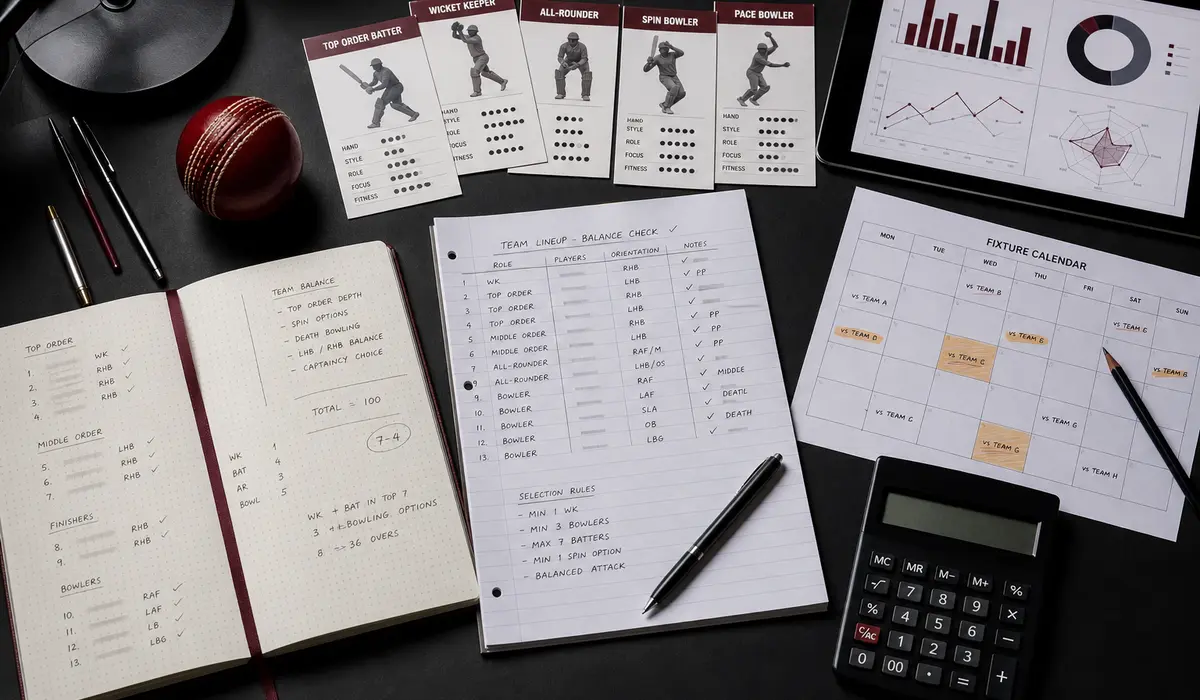
Why Wankhede is not Chepauk
Venues have personalities. Wankhede rewards bouncers down to swing; Chepauk rewards finger spin in the right phase; Eden Gardens rewards the chase. Captain pick must match the player's profile to the venue's tilt.
The desk scores venues three ways:
- Pitch type. Dry, green, flat, two-paced, slow turner, fast bouncer. Most captain wins come from explicit pitch type alignment.
- Average first-innings score. High → batsmen captain. Low → bowlers captain.
- Dew factor. Heavy dew in the second innings tilts the chase. Captain a chaser; bench a bowler who relies on grip.
Common mistake: using the player's home venue as a positive signal. Home advantage is more nuanced than most captain desks treat it. Some players score better at home because they know the dimensions; some score better away because the conditions suit their style. Treat venue data the same way the player's IPL record treats it.
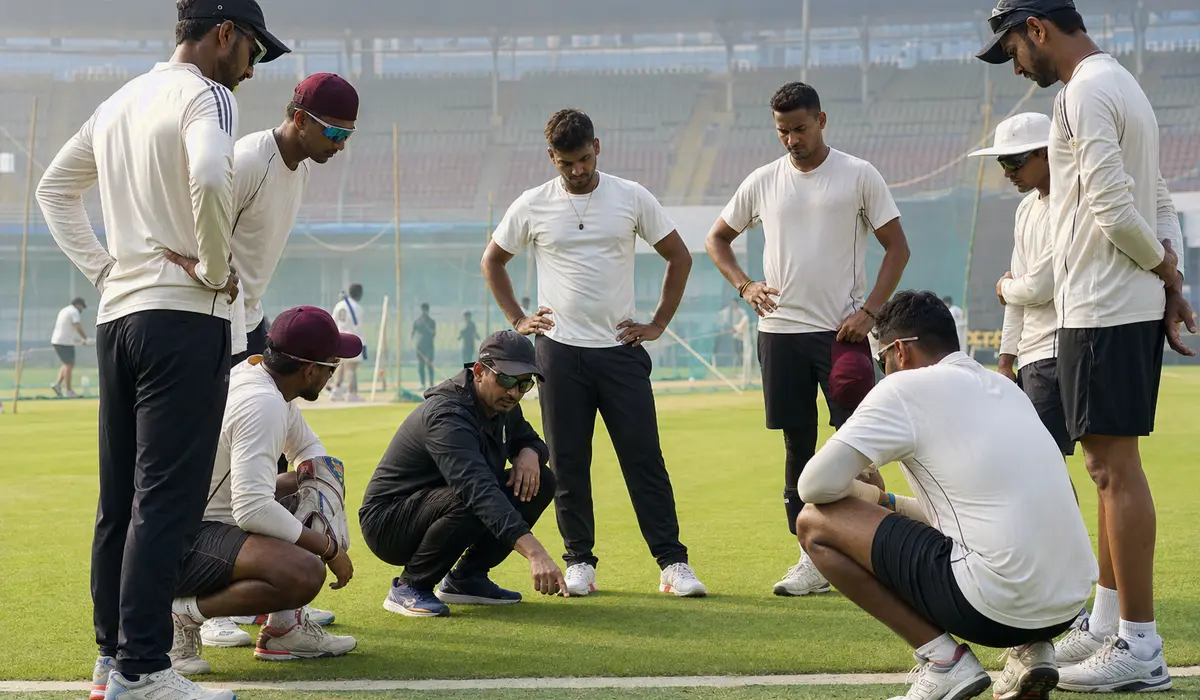
When differential captain wins, when it loses
Differential captain means picking a player fewer users selected as captain — usually a non-favourite with stronger form, fixture, and venue alignment than the popular pick. The math depends on the contest size.
| Contest | Field size | Differential gain | Favourite safety |
|---|---|---|---|
| Rs 1 head-to-head | 2 | Negligible | High |
| Small Rs 1 league | ≤ 200 | High | Medium |
| Mid contest | 500–2,000 | Medium | Medium |
| Grand league | ≥ 10,000 | Low | High |
The switch happens around 500 entrants. Below that, differential captain wins more often because the rank gain compounds. Above 500, favourite captain wins more often because the field is too large for one differential pull to climb the leaderboard.

Favourite captain is rational, not cowardly
Grand leagues are large pools (typically 10,000+ entries) with top-heavy prize structures. The best strategy is consistent across most XIs: pick the captain the field is picking. Why?
- Field depth. If 6,000 out of 10,000 users pick Rohit as captain and Rohit fires, the rank gain from picking Rohit is roughly 6,000 places.
- Prize depth. Grand leagues usually pay through the top 1-2 percent. Rank gain matters more than rank absolute.
- Variance reduction. The favourite captain lowers variance. Differential captain raises variance. Variance-reducing plays compound across a 70-match season.
Common mistake: carrying small-contest differential habits into grand leagues. The captain pick framework is the same; the application changes with contest size.
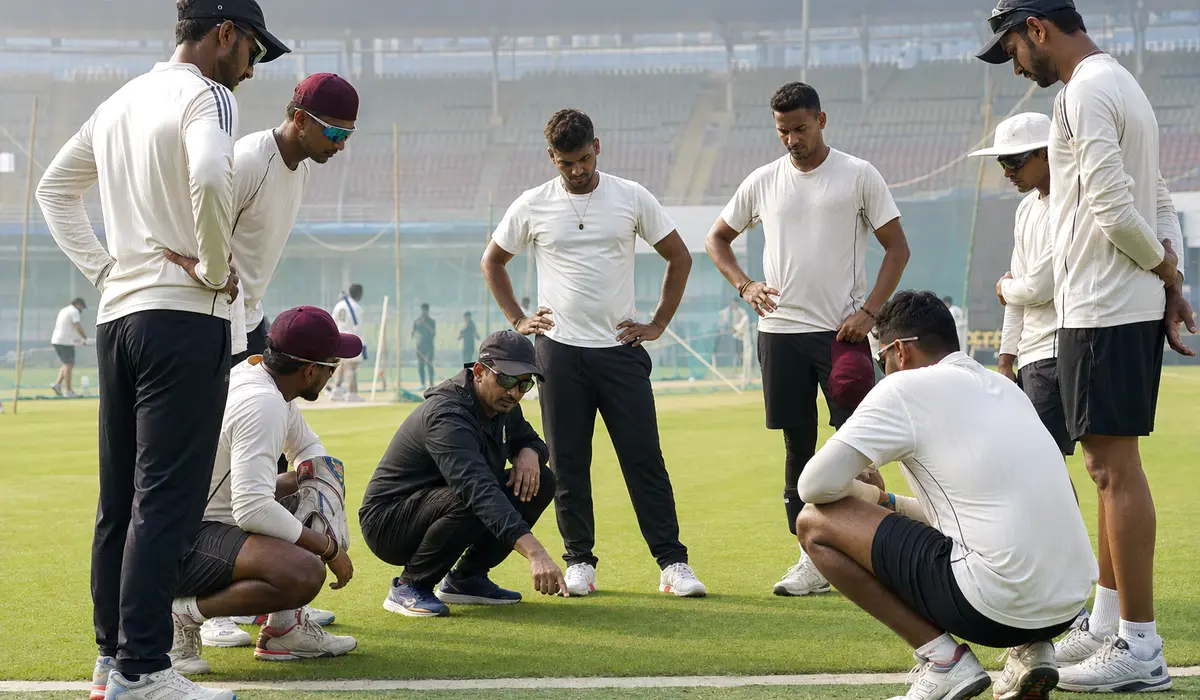
Why your captain framework failed last Tuesday
Captain picks miss for three reasons, and only three reasons:
- Wrong form read. The player was rested, injured, or underperformed because of a tactical change you missed.
- Wrong fixture read. The opposition switched the bowling order, dropped the spinner you captain picked, or held back the death bowler.
- Wrong venue read. Dew unexpectedly favoured the chasing side, or the wicket played differently than the day-before reports.
The fix is not to captain more carefully. The fix is to log every captain pick, the three lenses you used, and the actual outcome. After 20 picks the pattern shows up: which lens are you mis-reading? Form, fixture, or venue? Most users find they over-weight one and under-weight another. Rebalance.

Questions readers actually ask
What is the captain pick framework?
Form + fixture + venue + role alignment. The captain whose profile ticks all four boxes is the pick. If only three align, they are vice-captain material. Two-aligned is bench.
How much of an XI total comes from captain?
Captain (2x) and vice-captain (1.5x) together account for 30-40 percent of an XI total in a typical T20 contest.
When should I captain a differential?
In small contests (under 200 entrants), differential captaincy wins more often. In grand leagues, favourite captaincy is more rational.
How do I read form?
Last-five-match average points, not career average. Form is what the player is doing now; reputation is what they did last season.
Should I captain at home or away?
Treat home/away like any other lens. Some players score better at home, some score better away because conditions suit their profile. Data, not vibes.
Pick captain with the four-lens check
Pick the player whose profile ticks form, fixture, venue, and role. Open the app, build the XI, and apply the four-lens check on captain before lock-in.